

Last year, the average UK commuter spent 18 minutes on a mobile game during a train ride. That brief burst of screen time has quietly reshaped how people view entertainment. Rather than waiting for the next bus, many now reach for a quick puzzle or a strategy match, turning idle moments into engaging experiences.
Instant Access, No Queue
Unlike traditional cinemas or live theatre, mobile games launch with a single tap. No ticket purchase, no travel time, no line at the box office. A player in Manchester can dive into a new release the same day it hits the app store, while a friend in Brighton can do the same from a café. This immediacy has broadened the audience for new titles, especially among younger demographics who grew up with smartphones.
Social Connectivity in a Pocket‑Sized World
Modern mobile games embed social layers that mirror real‑life interactions. Leaderboards, friend challenges, and shared achievements encourage players to invite colleagues or classmates. In 2023, 47 % of UK players said a game’s social component was a deciding factor in their choice of title. The result is a community that can form around a simple match‑3 game as easily as around a football club.
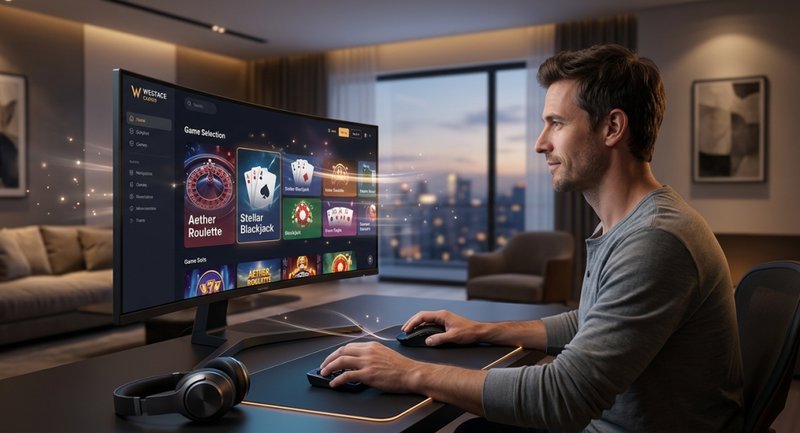
Similarly, online casino games offer instant thrills that keep players engaged during commutes, just as mobile titles do, and you can explore such options at riversidesportscars.co.uk.
Monetisation Models That Match UK Spending Habits
Free‑to‑play with optional micro‑transactions has become the norm. In the UK, the average spend per player is about £4.50 per month, a figure that is rising steadily. Developers tailor in‑app purchases to local preferences: cosmetic skins for football managers, time‑saving boosters for city‑building sims, and seasonal passes for rhythm games. This approach keeps the core experience free while offering revenue streams that align with consumer expectations.
Cross‑Platform Play: Bridging Generations
Many titles now support cross‑play between mobile, PC, and console. A family in Liverpool can play a cooperative puzzle together, each on a different device, without the need for a shared platform. This flexibility has made gaming a more inclusive activity, allowing grandparents to join in without learning new hardware.
Mobile Gaming Meets Traditional Entertainment
When a blockbuster film releases, a companion mobile game often drops simultaneously, offering fans an interactive extension of the storyline. For example, the 2024 release of a popular sci‑fi series was paired with a narrative‑driven adventure that let viewers explore side‑stories. This synergy has created a new revenue stream for studios and a richer fan experience.
Beyond the Screen: Physical and Virtual Integration
Augmented reality (AR) games have started to blur the line between the digital and real worlds. In 2023, a UK city hosted a city‑wide AR scavenger hunt that combined clues from a mobile game with actual landmarks. Participants walked the streets, solved puzzles on their phones, and earned virtual rewards that could be redeemed for real‑world prizes. This blend of physical activity and digital engagement is reshaping how people spend leisure time.
Mobile Gaming’s Cultural Footprint
From casual puzzle titles to complex strategy games, mobile gaming now accounts for 30 % of the UK’s total entertainment spend. It has become a staple in social gatherings, a tool for learning new skills, and a platform for creative expression. The accessibility and variety of mobile games mean that almost anyone can find a niche that suits their interests.
Looking Ahead: The Next Wave
With 5G rollout completing across the UK, download times for high‑definition games are dropping to under a minute. Cloud gaming services are also gaining traction, promising console‑quality graphics on a phone. As technology advances, the line between mobile and traditional gaming will blur further, making entertainment more fluid than ever.
Conclusion
Mobile gaming has moved from a niche pastime to a mainstream cultural force. By offering instant access, social connectivity, and cross‑platform flexibility, it has reshaped how UK citizens spend their leisure time. As the industry continues to innovate, we can expect even deeper integration of gaming into everyday life.